A Playful Pour in a Historic Setting.
Medieval Merriment, Poured to Perfection.
Crafted With Character
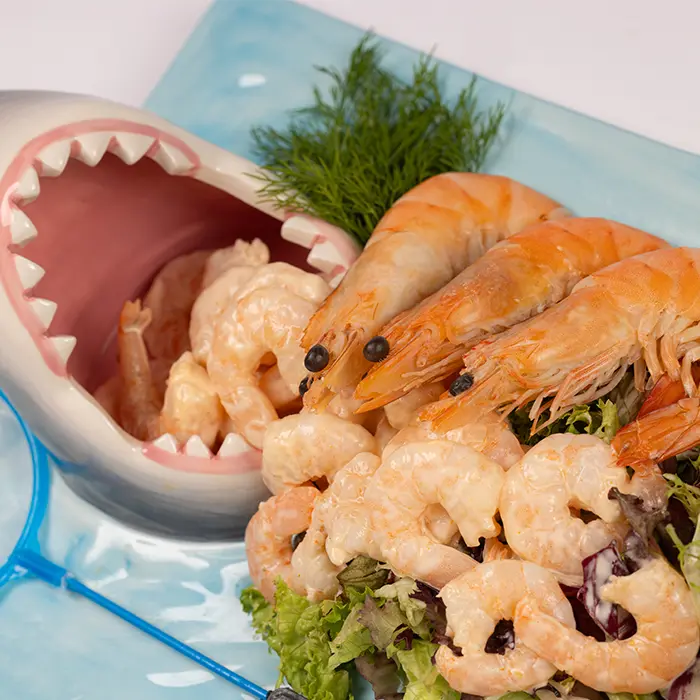
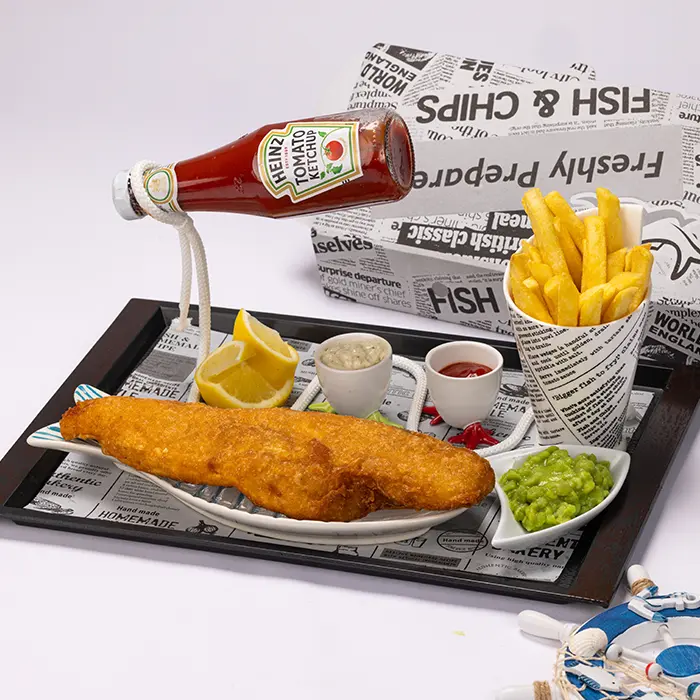
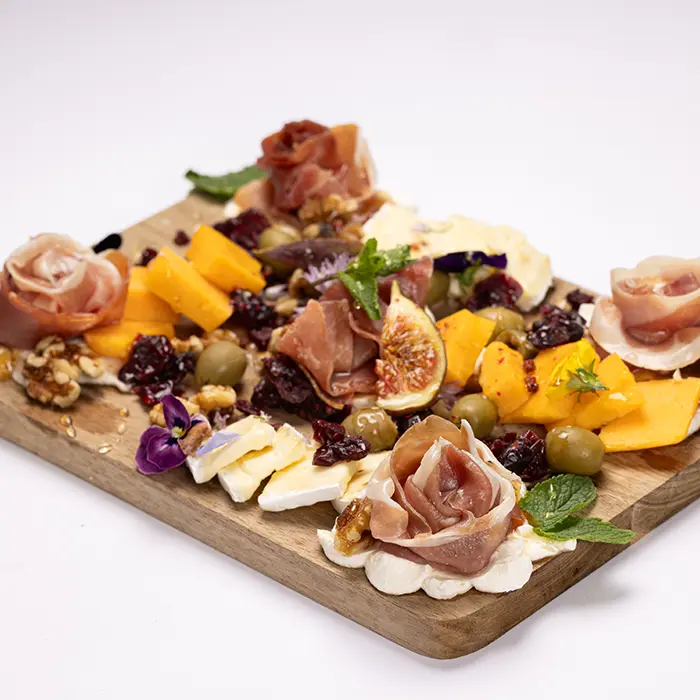
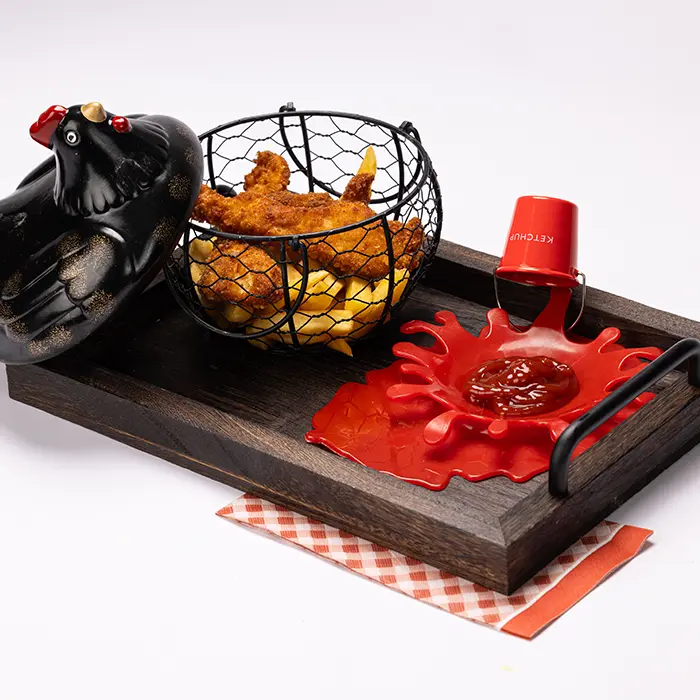

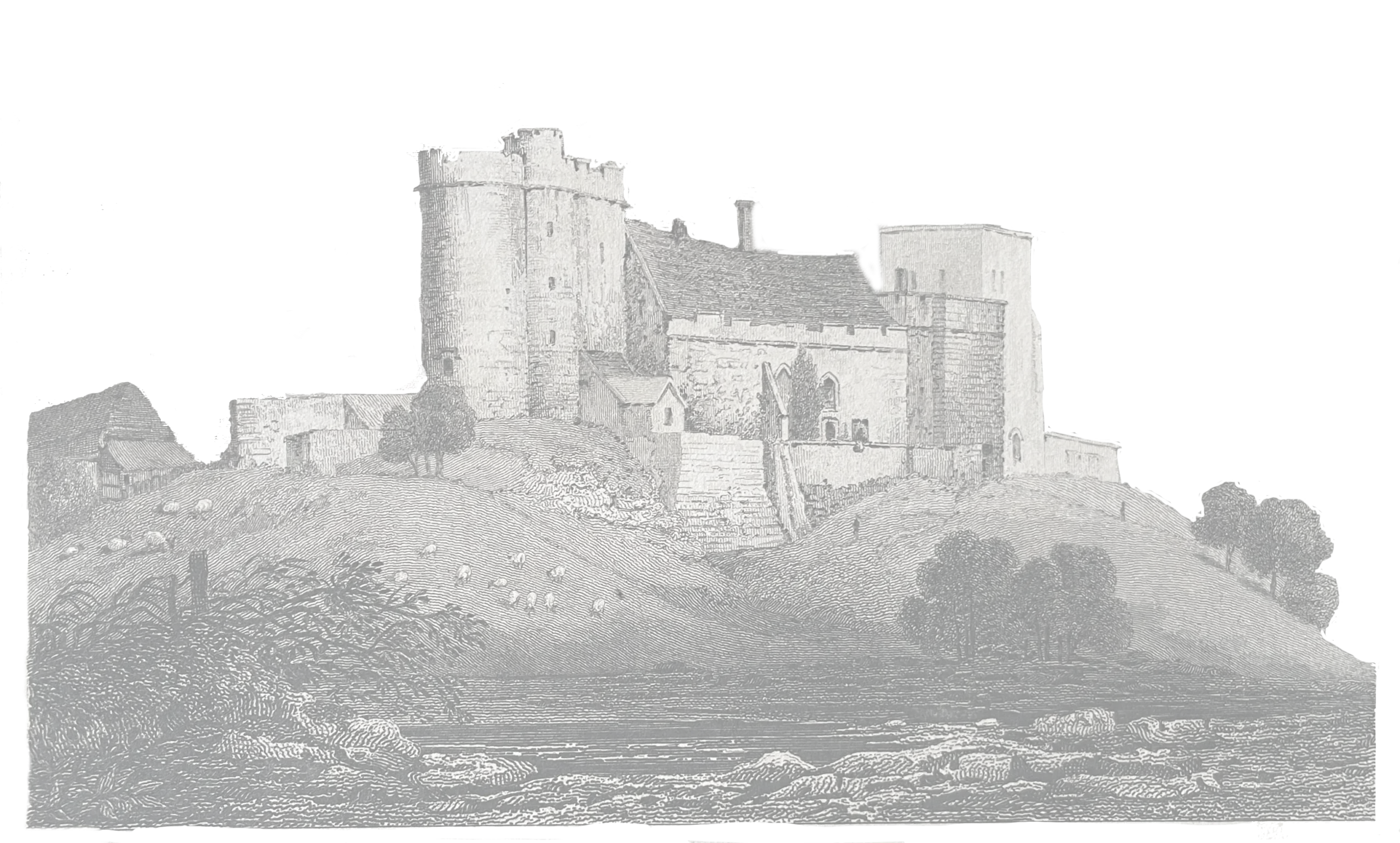
The Village of Lympne dates back many years to when the Romans marched from the Kent Coast up to Canterbury. In Roman Times Lympne was known as Portus Lemanis, from the British eponym of which the English name is derived. St. Stephen’s church, the Church of England parish church of Lympne (directly adjacent to Lympne Castle), is listed in the highest category of listed buildings and so too is Lympne Castle where the castle dates back to 1080 when the first of its many buildings was erected.
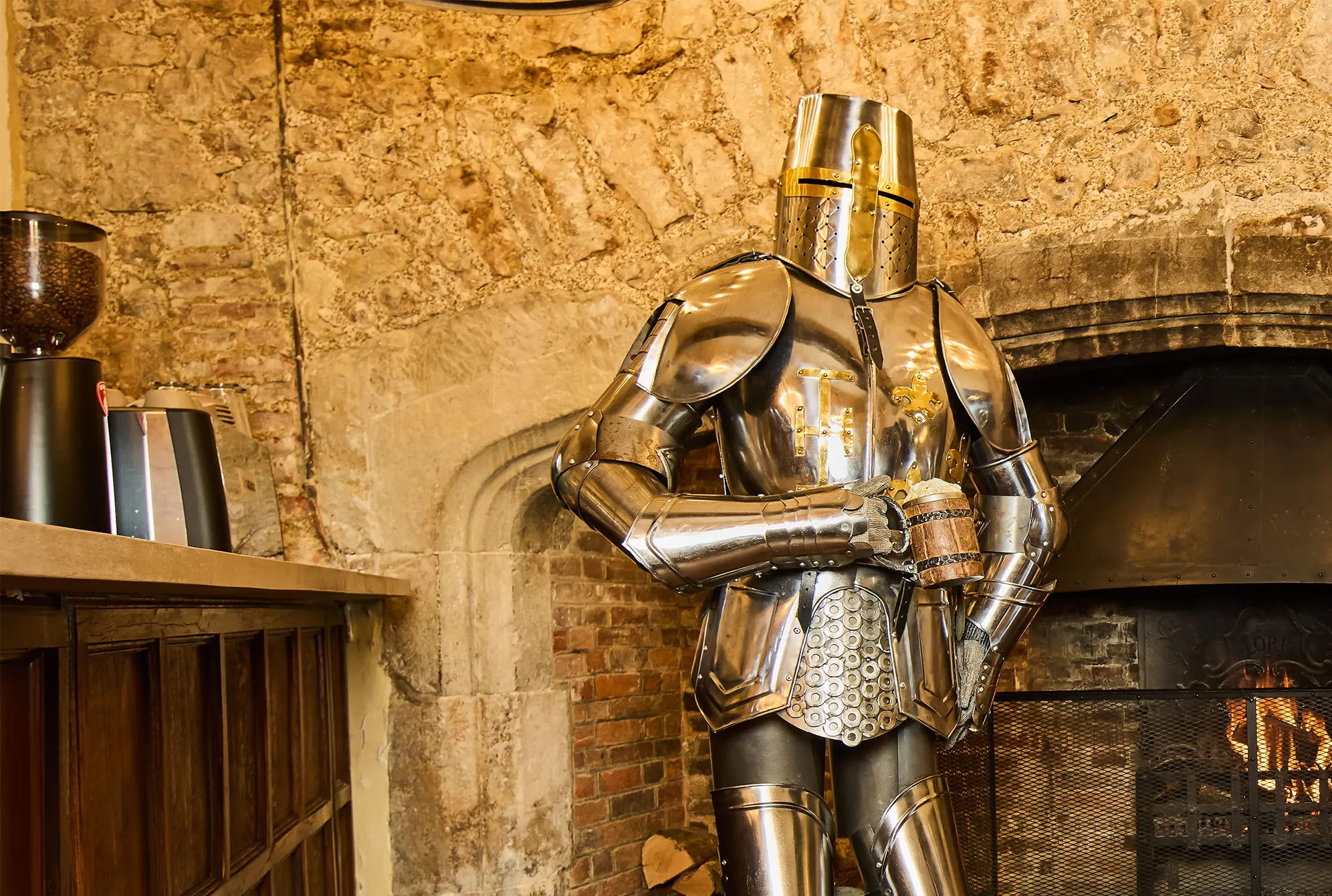
The medieval period, between 1066 and 1485, is a time when William of Normandy’s triumph over King Harold at the Battle of Hastings marked the dawn of a new era. This historic time is when the overthrow of the Saxon kingdom of England was to transform the country the Normans conquered. It was also during this time that the Archbishop of Canterbury occupied Lympne Castle. One wonders what life was like back then. What did people wear?
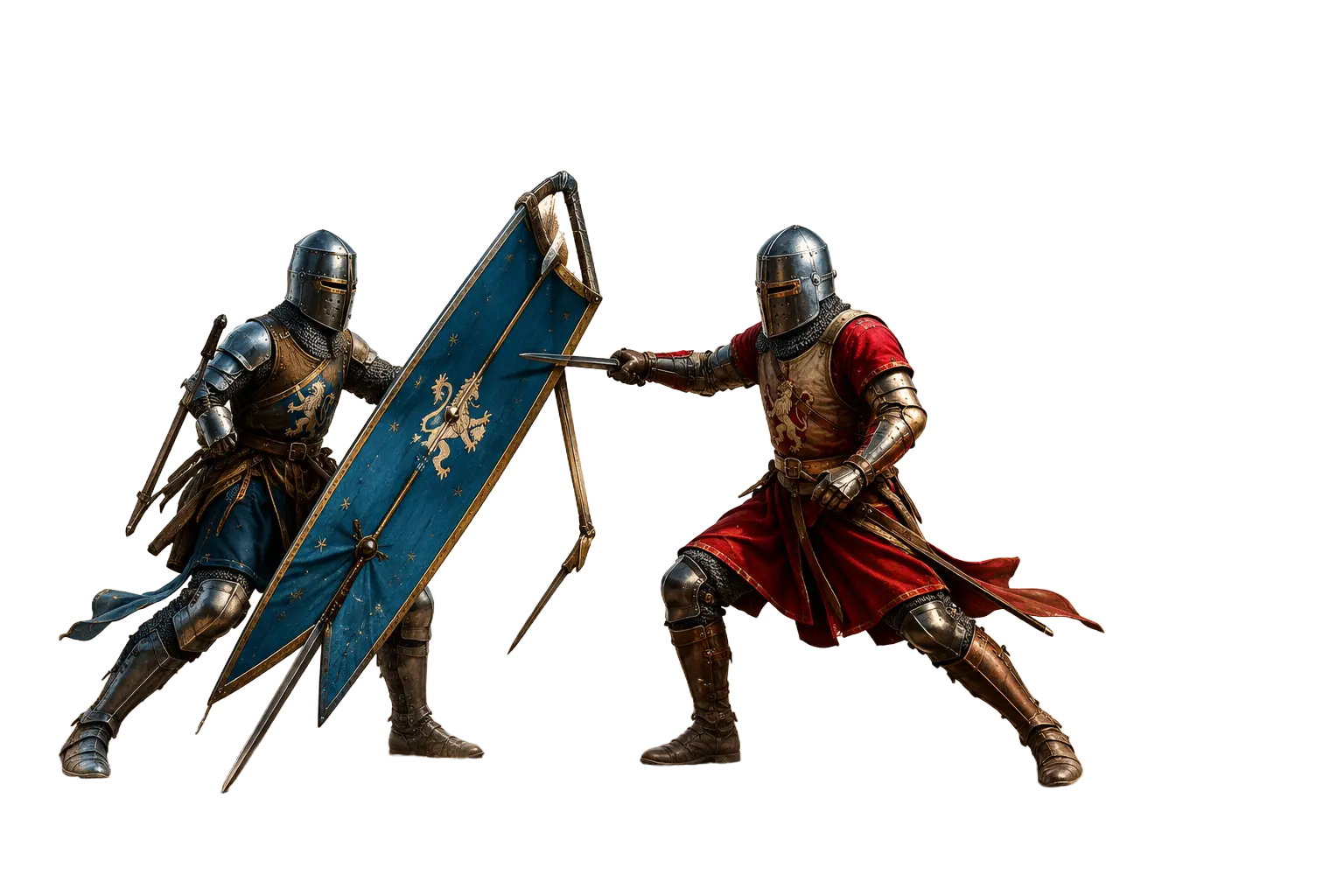
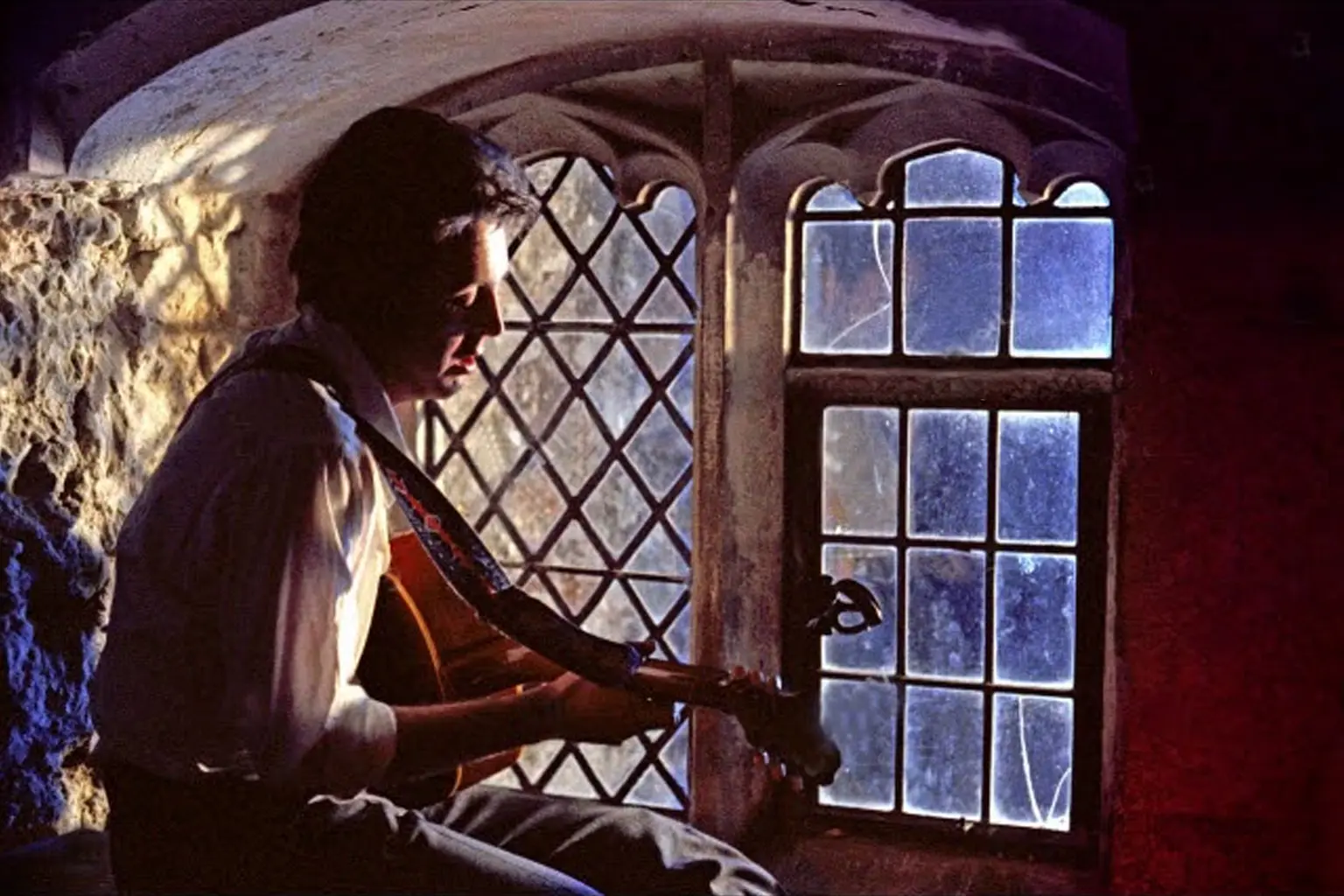
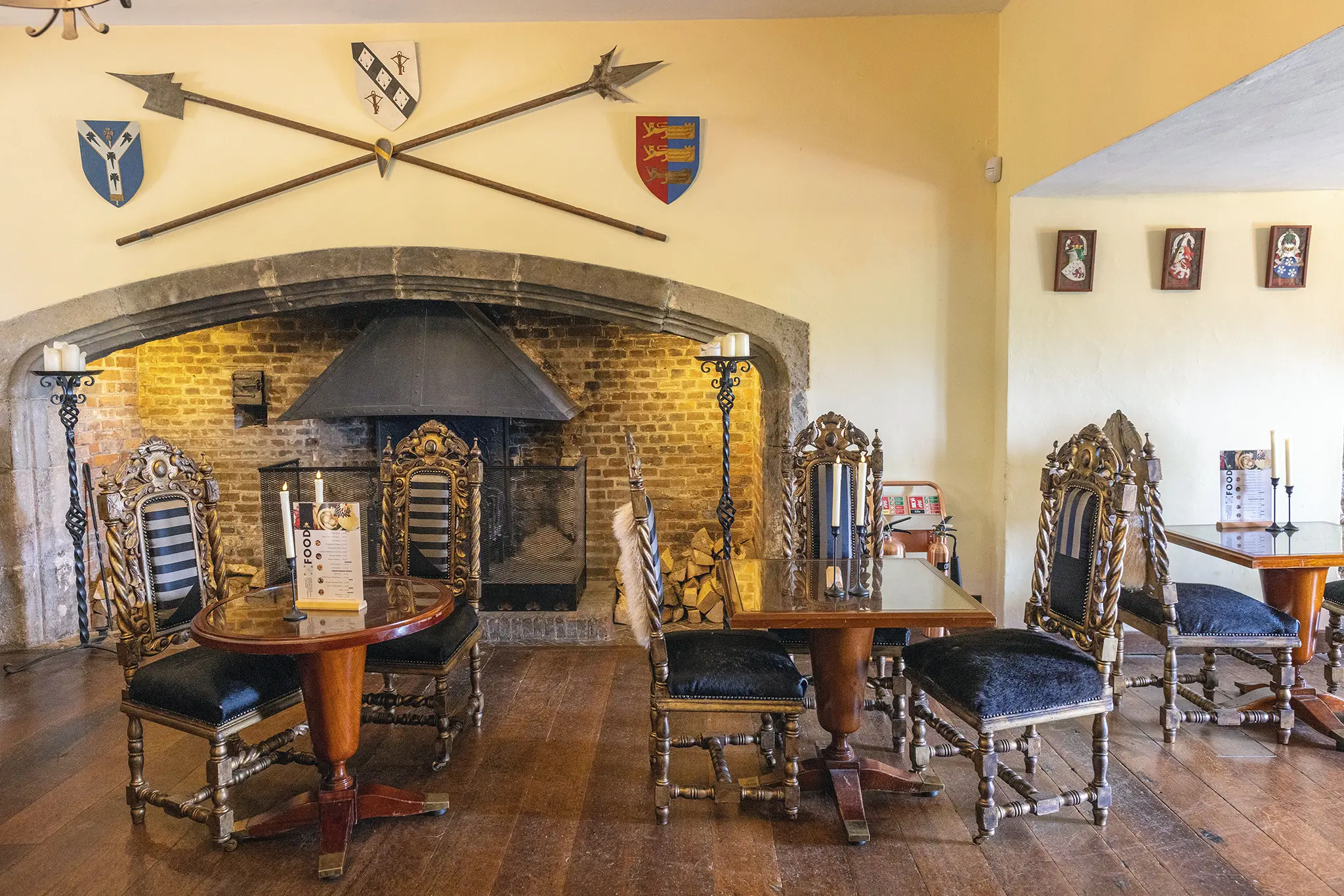
As you sit at Lympne Castle, surrounded by history, you can be transformed back to a time when what was available to be consumed was decided by region and by class (you can also be transformed to a time when Paul McCartney recorded “Back to the Egg” at Lympne Castle). While typically the food in a castle consisted of fresh meat either salted or smoked (we do have a smoked salmon cheeseboard, although there were likely not many salmon in the fields), and chicken, bacon, pork, beef and wild birds such as pheasants and partridges or, for the more adventurous diner, just about anything with wings on it finding its way onto a castle dinner table.
But for the majority of Medieval Society, the food varied. Cereals were the main ingredients while bread became one of the basic foods in the 12th and 13th century. During this time, many dishes were heavily flavoured with valuable spices. Other commonly used ingredients included cane sugar, and dried fruits such as figs (try our Charcuterie Board loaded with figs). Butter also rose to prominence in the Middle Ages, it was popular among peasants as a cheap source of nourishment and prized by nobility (we do offer butter to our prized and distinguished guests).
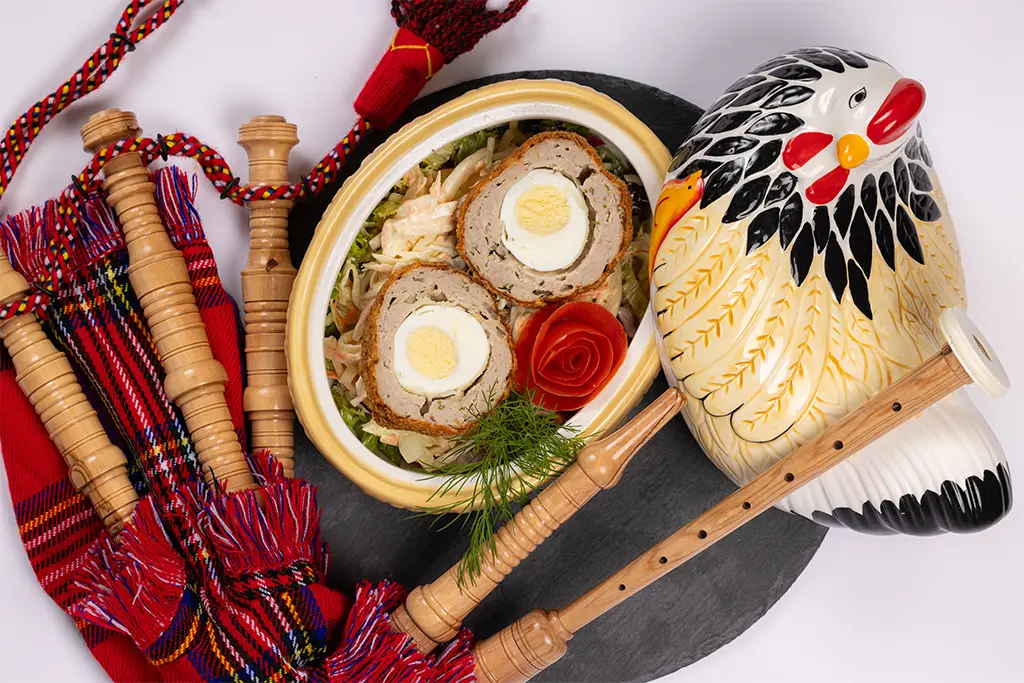
Presented before you is a selection of foods with a nod to the ingredients of medieval times. Although we are not staffed (or licensed) to forage out into the 139 acres of land to bring back a prize bird, we do offer the Scotch Eggs (it’s a start). Our Ploughman’s Cheese or Ham is a nod to the fields at Lympne Castle where, in 1860 to early 1905, Major Lawes of Dover, who didn’t live at the castle, installed a local farmer as a tenant in the Great Hall.
A nod to the times, accompanied by ingredients from local suppliers, spattered with history and flavoured to accommodate the most distinct and discerning palate (regardless of being noble…or not). Enjoy the food … you can choose to eat in the manner of Medieval Times (sometimes without a fork) but offered with utensils for the hygienically focused post-twenty-first-century pandemic-minded individual. Enjoy!
Sun - Mon | 12:00 - 22:30
+44 1303 533533
The St, Lympne, Hythe CT21 4LQ, United Kingdom