c. 150 AD
Where It All Began: Portus Lemanis
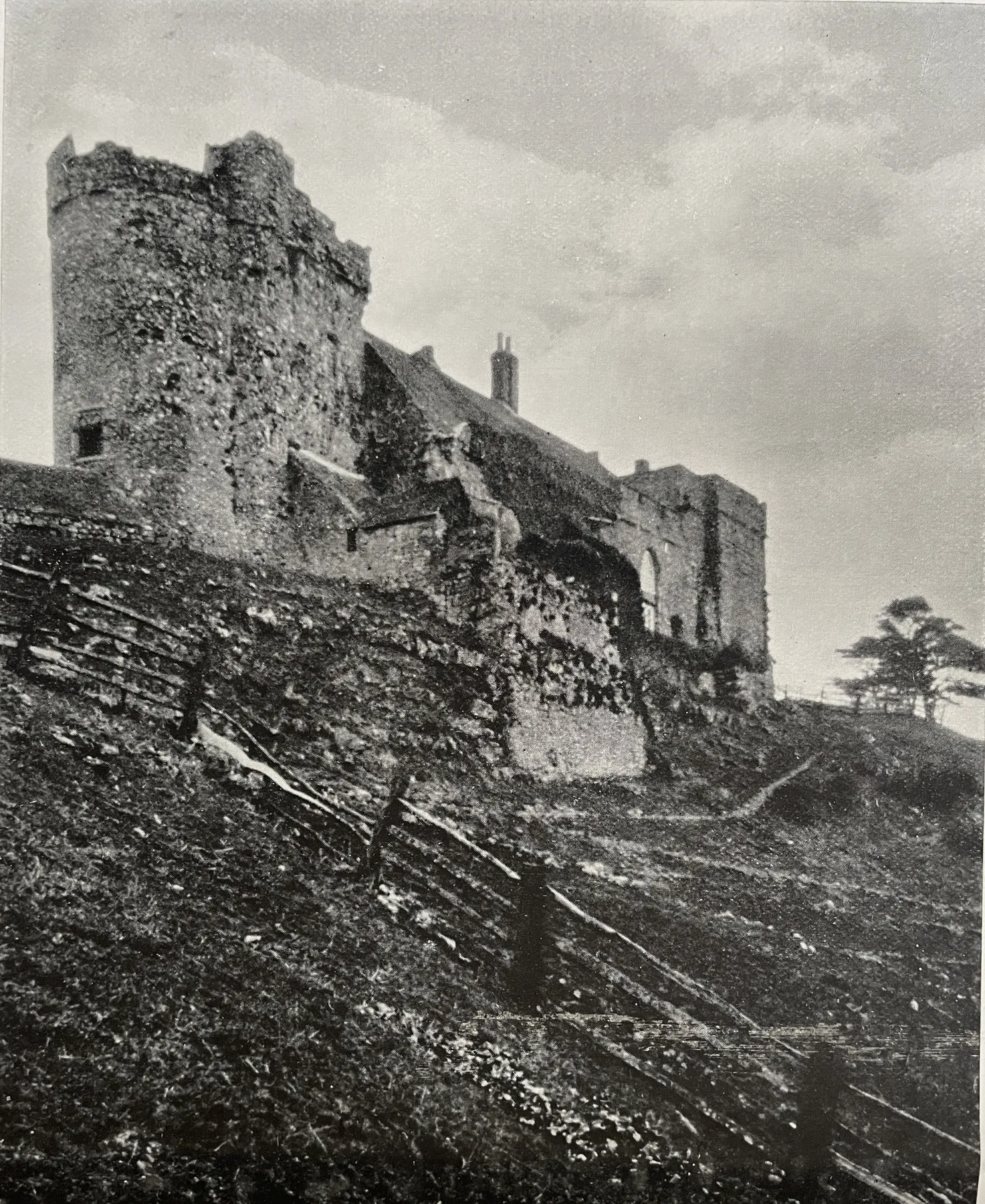
The Romans built Portus Lemanis, a mighty coastal fort at the foot of the hill below the castle. Part of the Saxon Shore defences, it guarded a thriving harbour when the sea still reached the hillside. Its tumbled walls, now called Stutfall Castle, can still be seen on the slopes below, where Lympne's story began.
Read more details
Late 200s
Rebuilt Under a Rebel Emperor
In the late 3rd century, the rebel emperor Carausius, a naval commander who seized power in Britain, rebuilt Portus Lemanis as a mighty stone fort. It guarded the coast against Saxon raiders and Rome itself, as part of the chain of defences later called the Saxon Shore.
Read more details
c. 350 AD
From Fortress to Ruin: Stutfall Castle
By around AD 350, the fort was abandoned as the sea retreated and its harbour silted up. Over the centuries, landslips toppled its mighty walls down the hillside. Known locally as Stutfall Castle, the ruins still lie scattered on the slopes below.
Read more details
1080s
A New Beginning: The Archdeacons' House
Around 1080, after the Norman Conquest, a stone house was built here for the Archdeacons of Canterbury. Its builders reused stone from the ruined Roman fort below, linking the new house to the hill's ancient past. It marked the beginning of the castle we know today.
Read more details
c. 1150s
A Famous Name: Thomas Becket
In 1154, Thomas Becket became Archdeacon of Canterbury, and Lympne was among the lands tied to his office. He went on to become Archbishop, clashed with King Henry II, and was murdered in Canterbury Cathedral in 1170 by knights who had gathered at nearby Saltwood Castle.
Read more details
1360s
The Medieval Castle Takes Shape
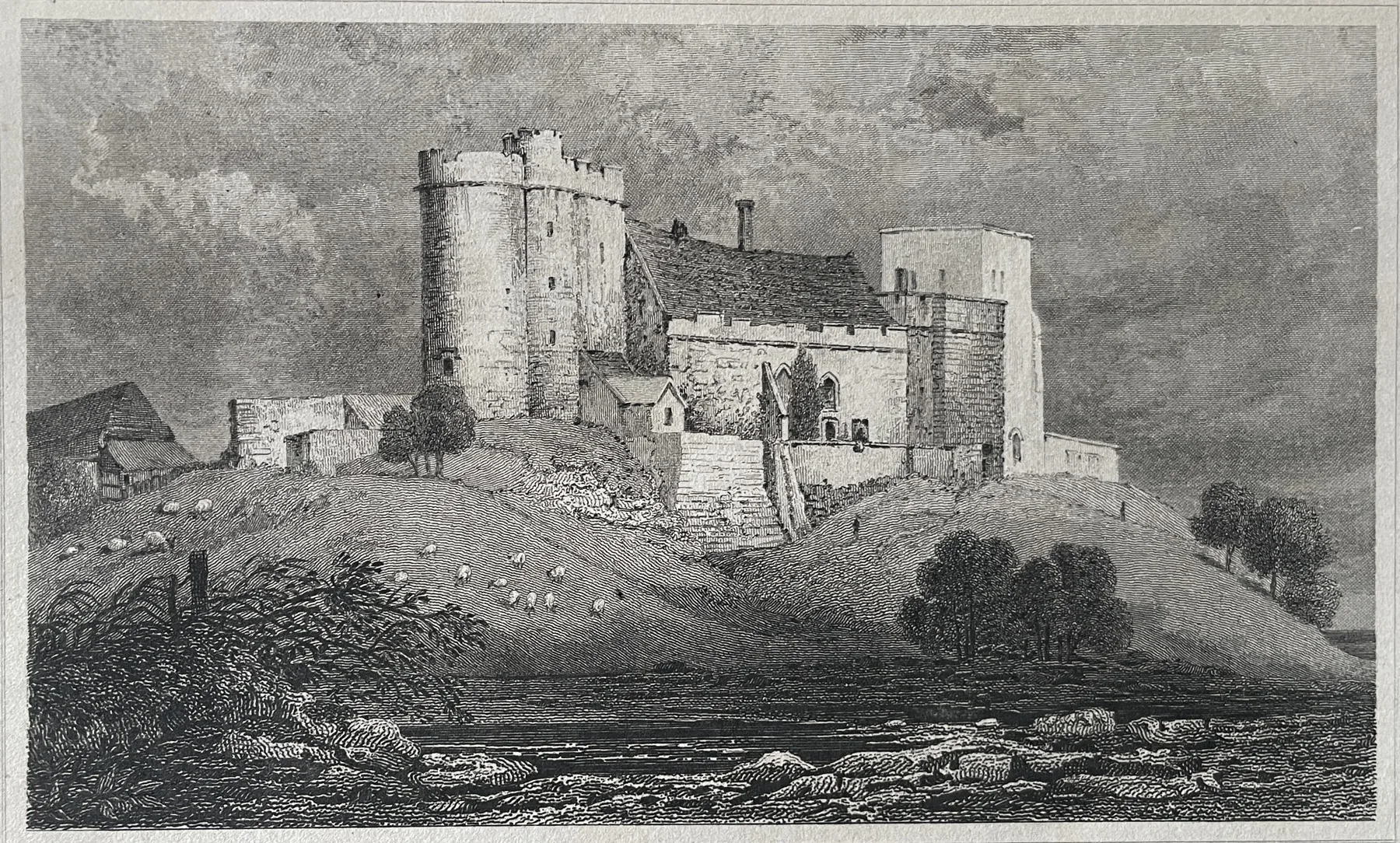
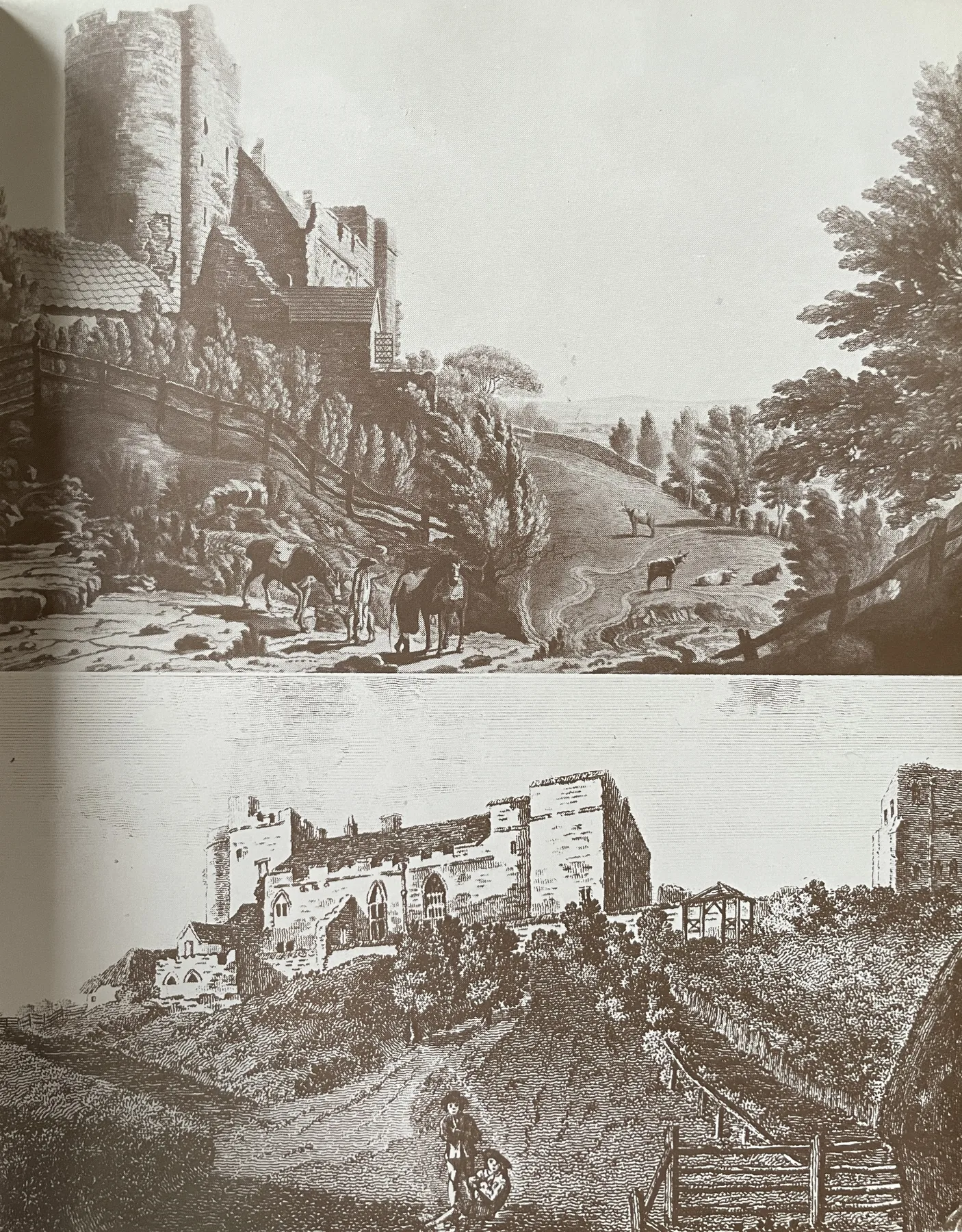
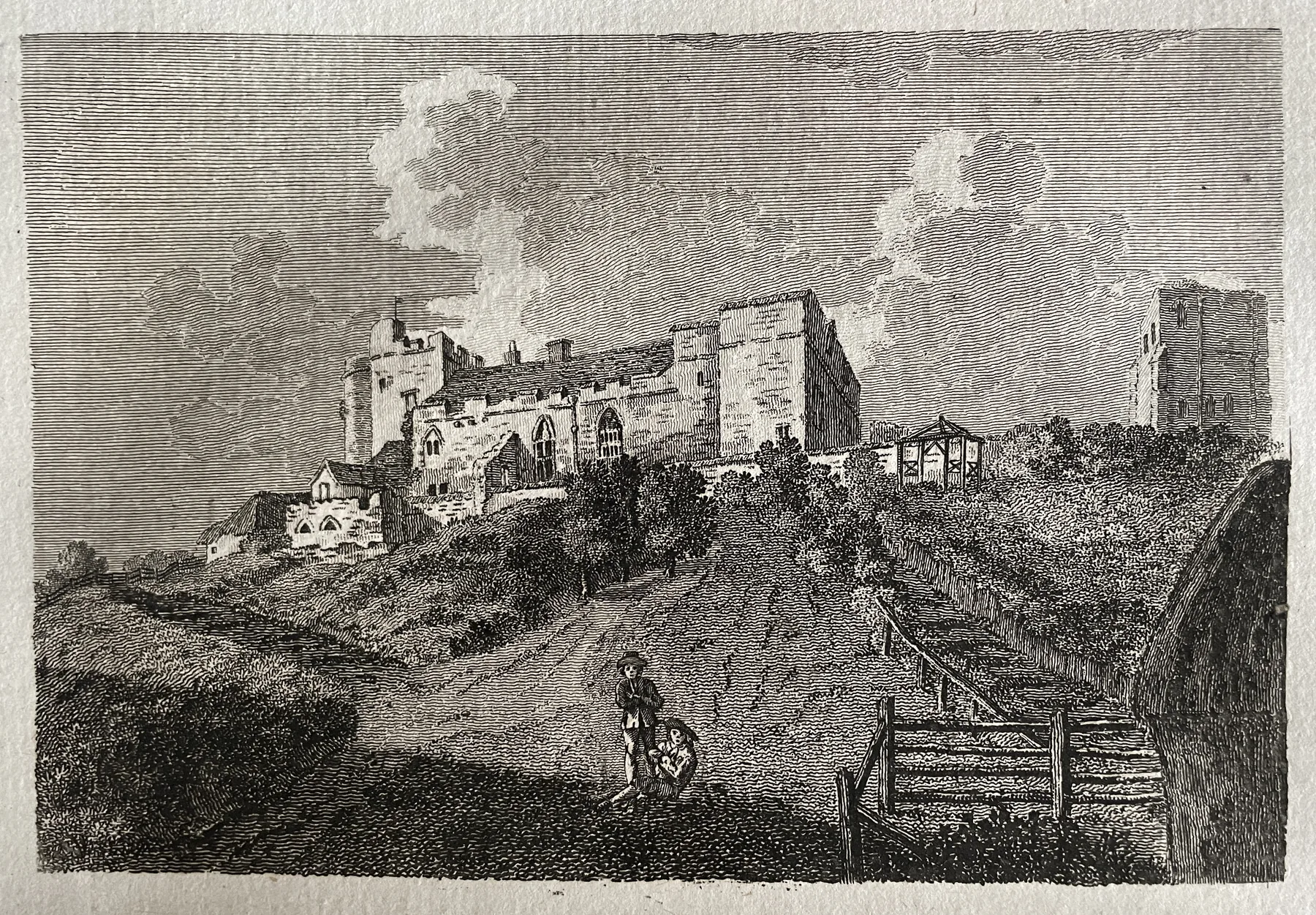
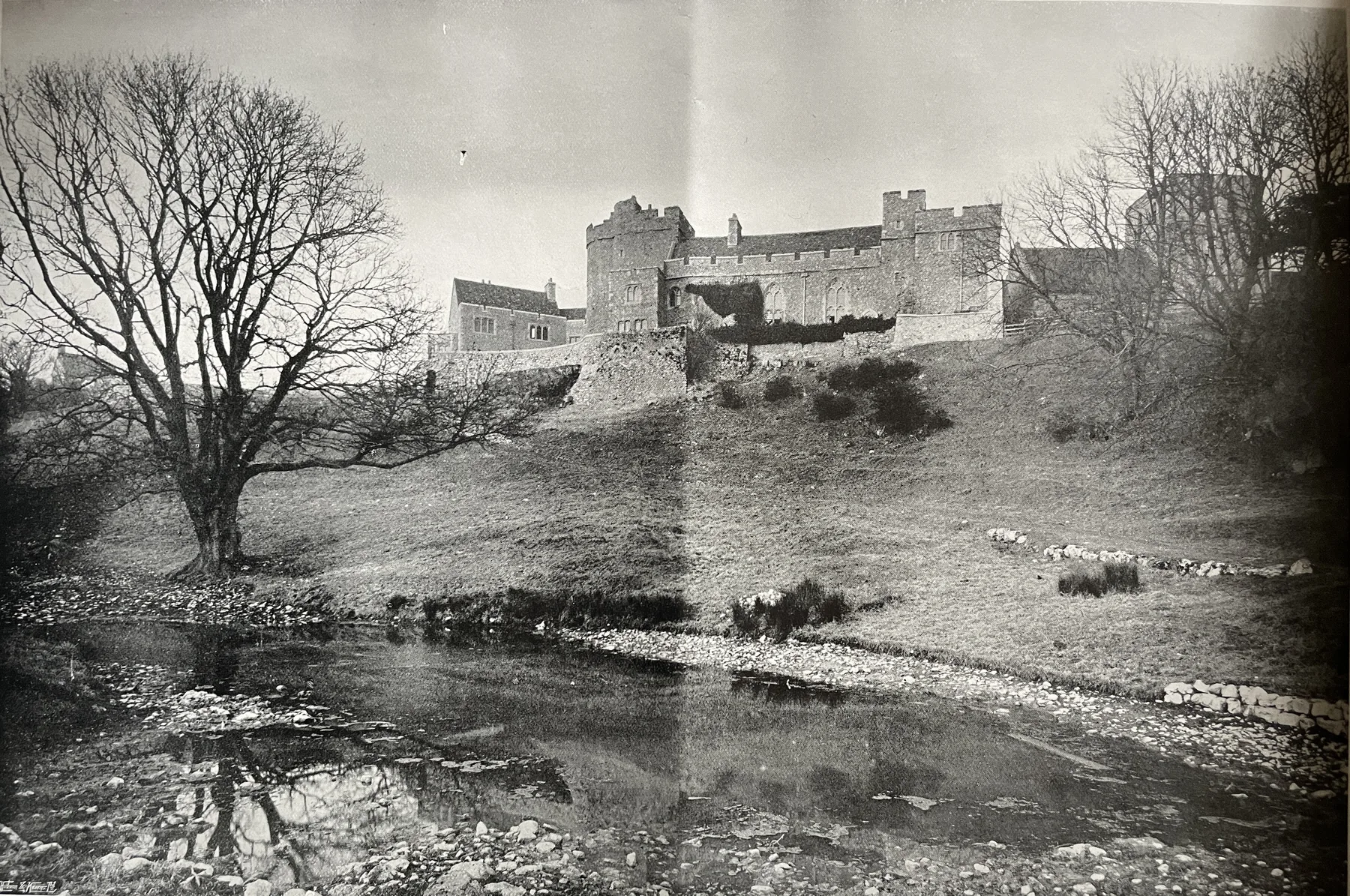
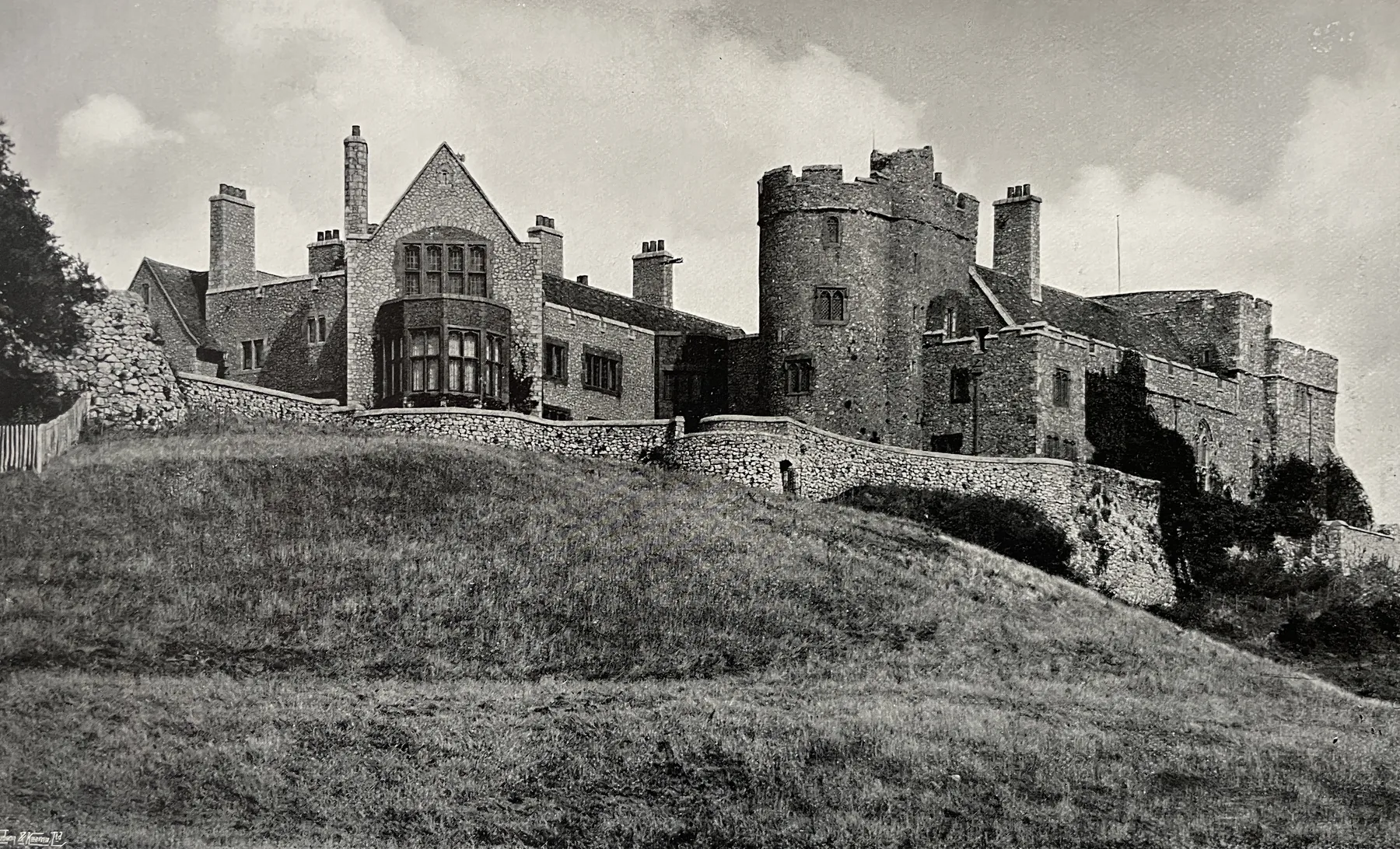
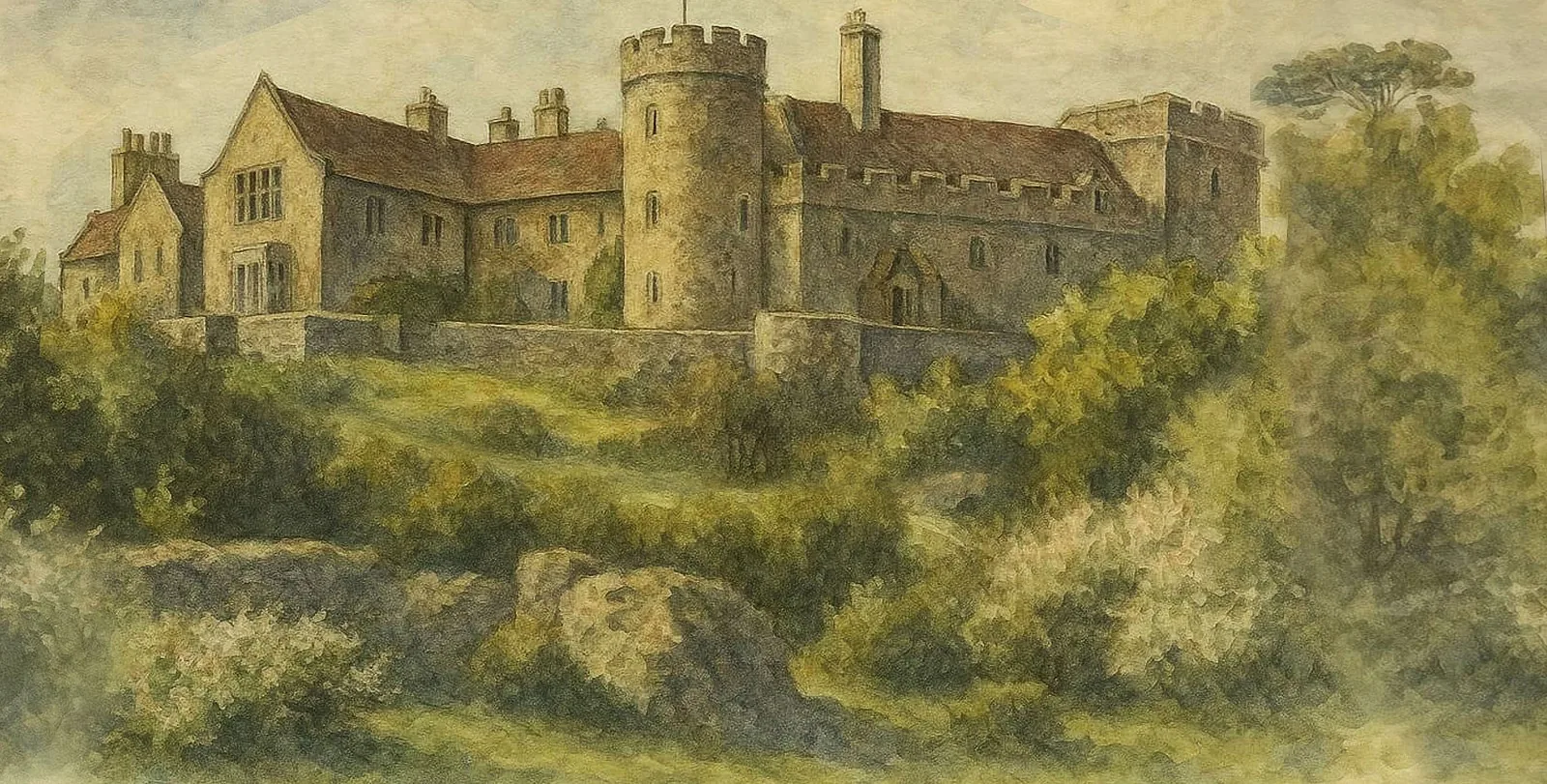
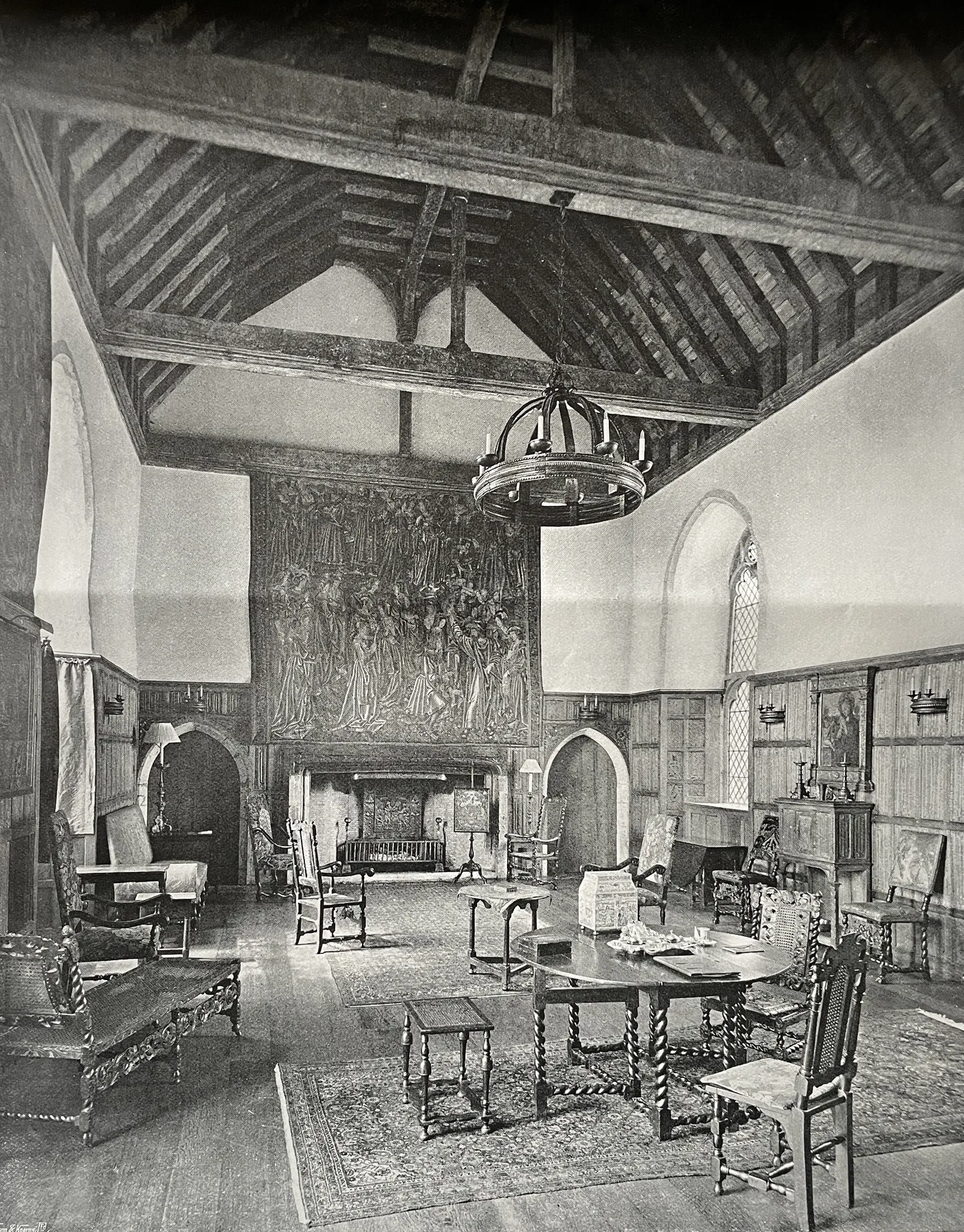
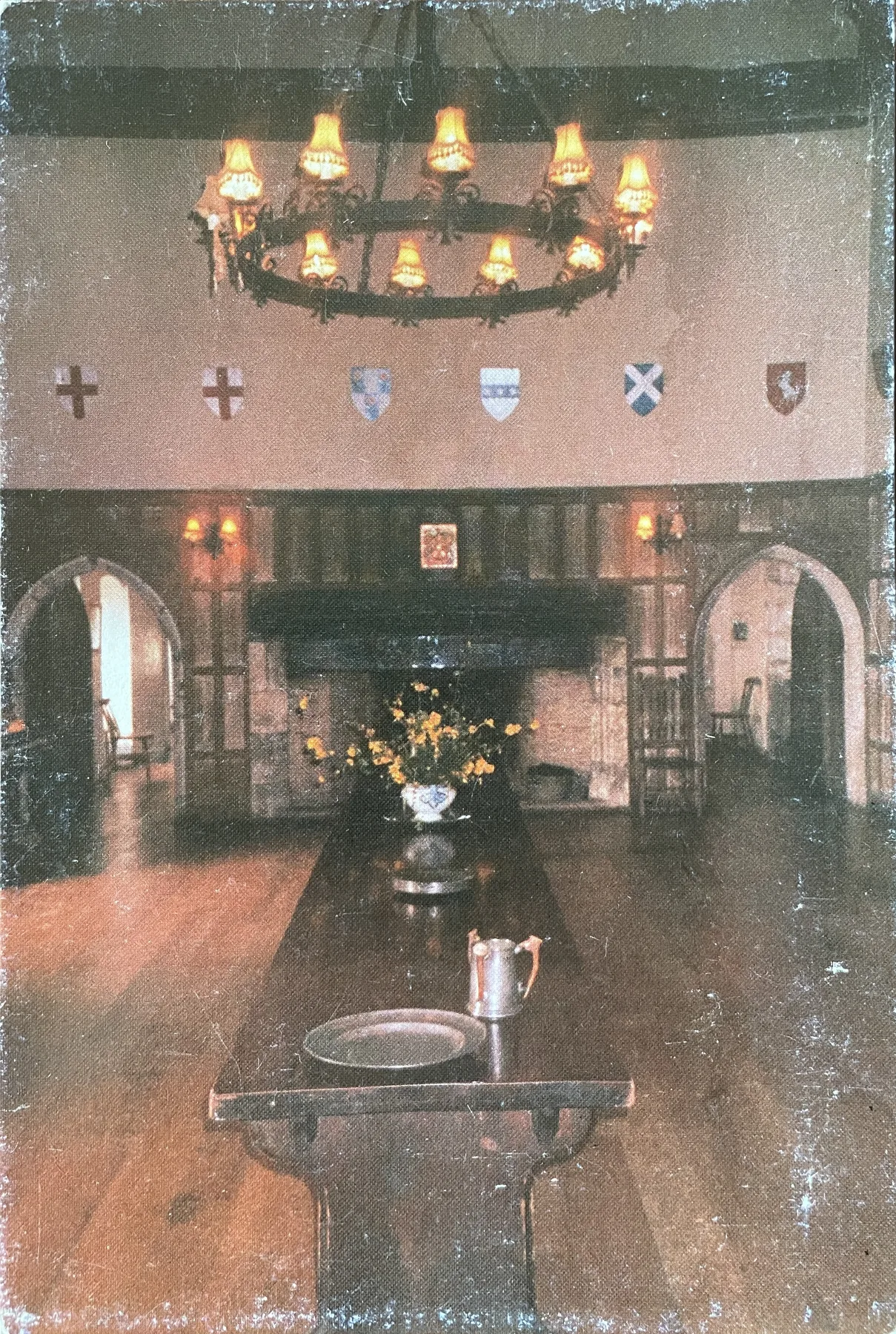
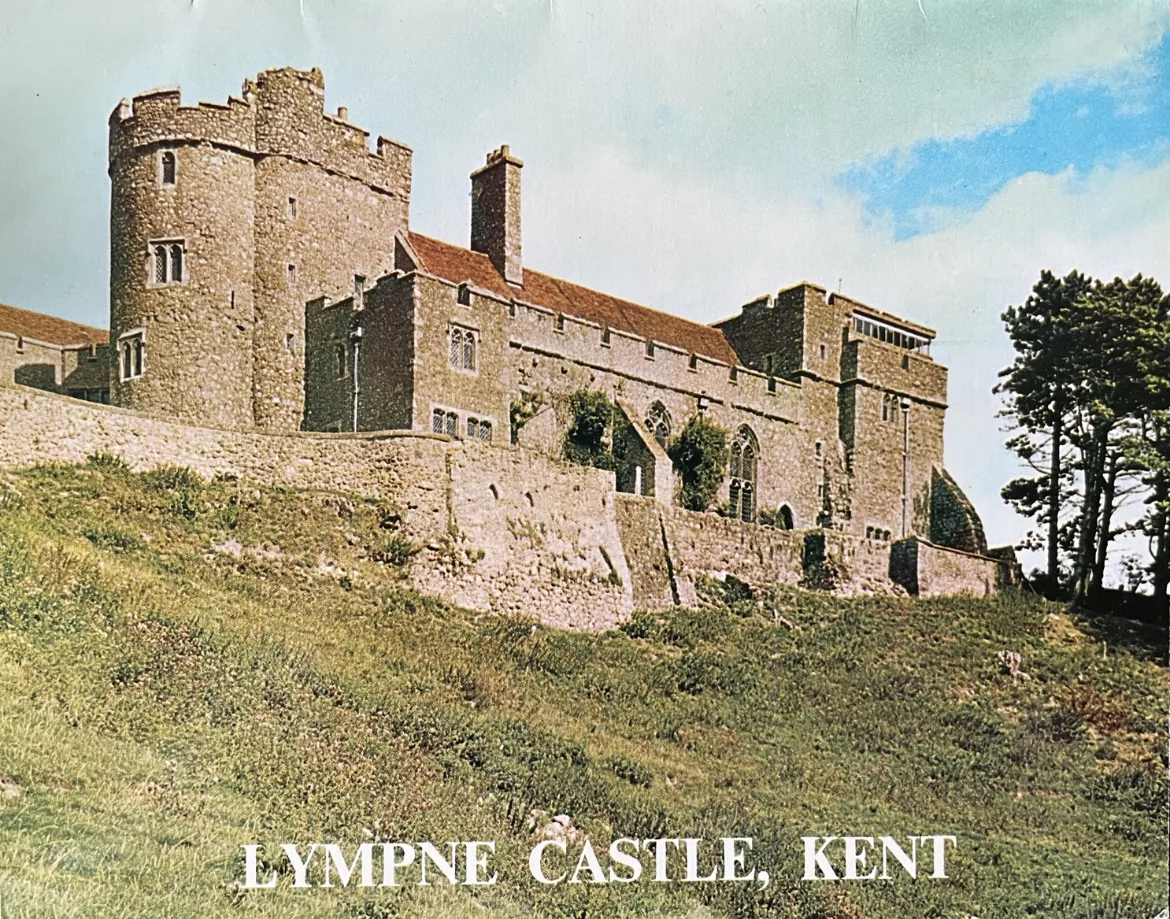
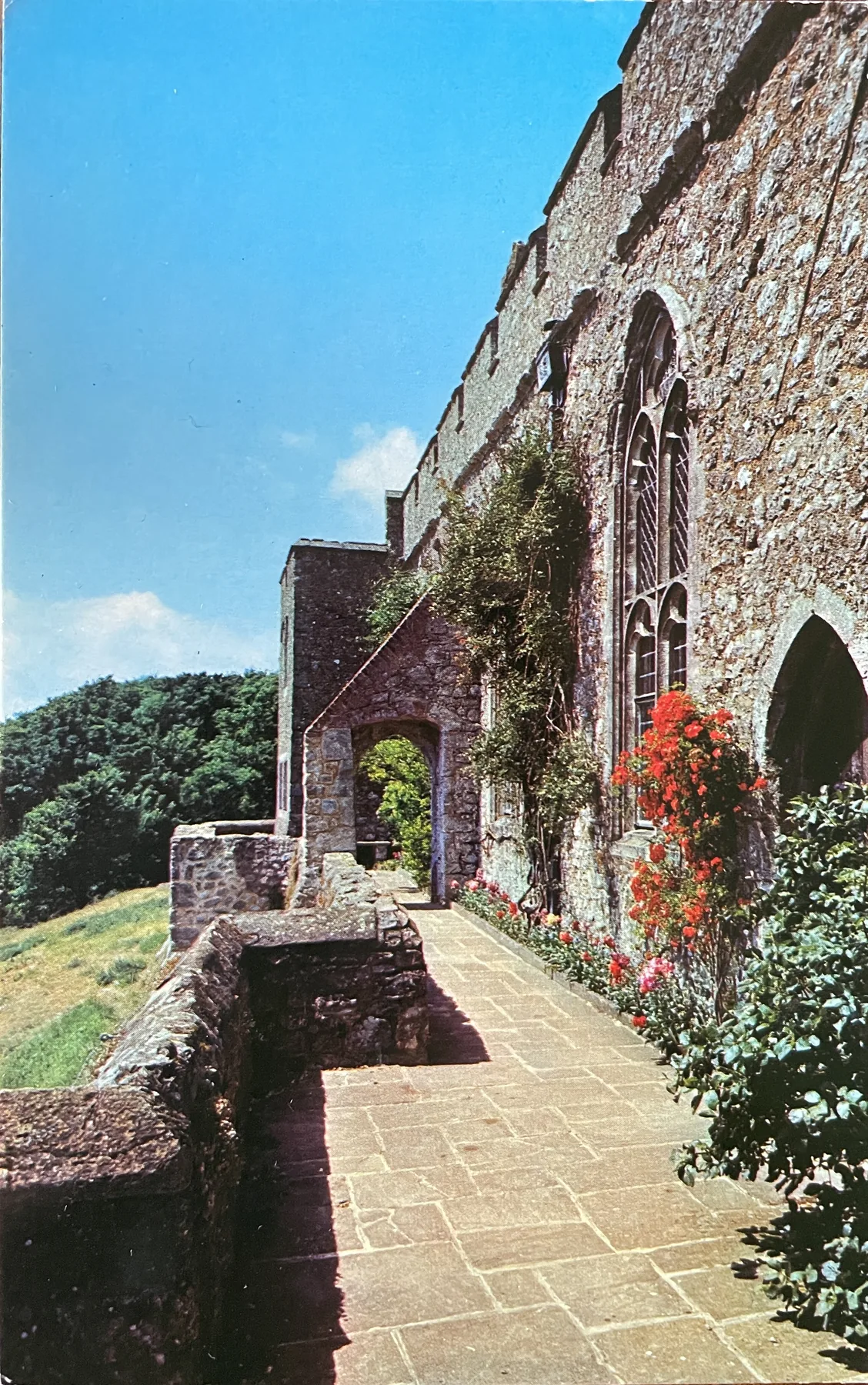
Around 1360, the Archdeacons built the Great Hall and its two end towers, creating a fortified house fit for troubled times on a coast threatened by French raids. This medieval core survives today, and the Great Hall remains the heart of the castle.
Read more details
1400s
Growing Through the 15th Century
Throughout the 15th century, the Archdeacons continued to extend and improve the castle, strengthening its towers, adding private chambers and bringing in more light. Much of the building's familiar shape dates from these years.
Read more details
Tudor era
A Warmer Welcome: The Tudor Fireplace
In Tudor times, the Great Hall's smoky central hearth was replaced by a grand open fireplace and chimney. The hall became warmer, cleaner and more comfortable, and the fireplace became the room's new focal point.
Read more details
1860
The End of an Era
Around 1860, the Church sold Lympne, ending nearly 800 years as the residence of the Archdeacons of Canterbury. The castle was used as a farmhouse and slowly declined, until a new chapter of restoration began in the early 20th century.
Read more details
1906
A New Beginning: Francis Tennant
In 1905, after years as a farmhouse, the castle was bought by Francis John Tennant of the wealthy Scottish Tennant family. With architect Robert Lorimer, he restored the medieval building and turned it into a comfortable family home.
Read more details
1907-12
Restoring the Castle: Sir Robert Lorimer
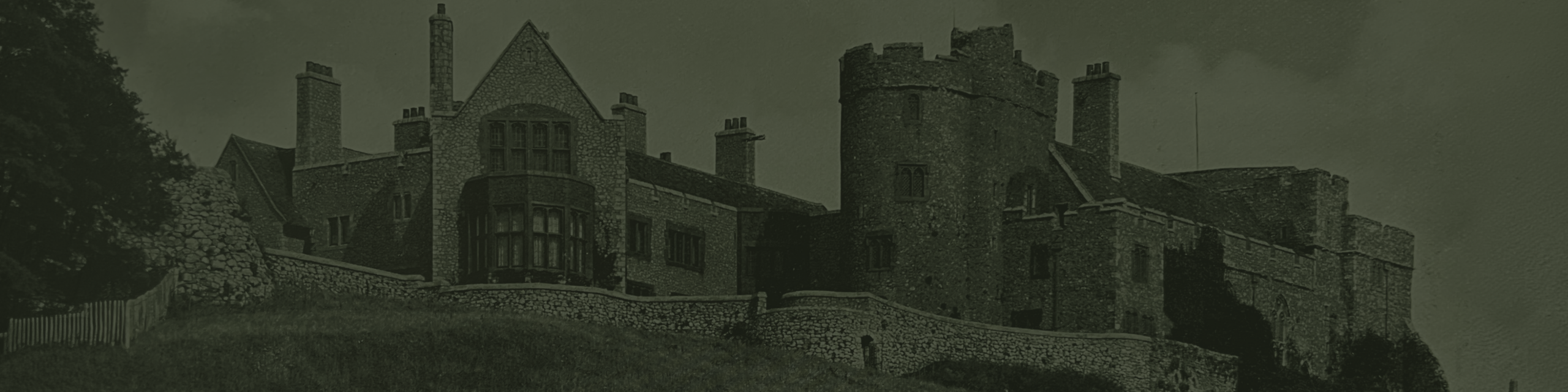
In the early 1900s, the celebrated Arts and Crafts architect Robert Lorimer, later Sir Robert, restored the castle for Frank Tennant. He carefully repaired the medieval Great Hall and towers and added the West Wing, designed to blend seamlessly with the ancient building.
Read more details
1918
A New Owner, A New Wing: Henry Beecham
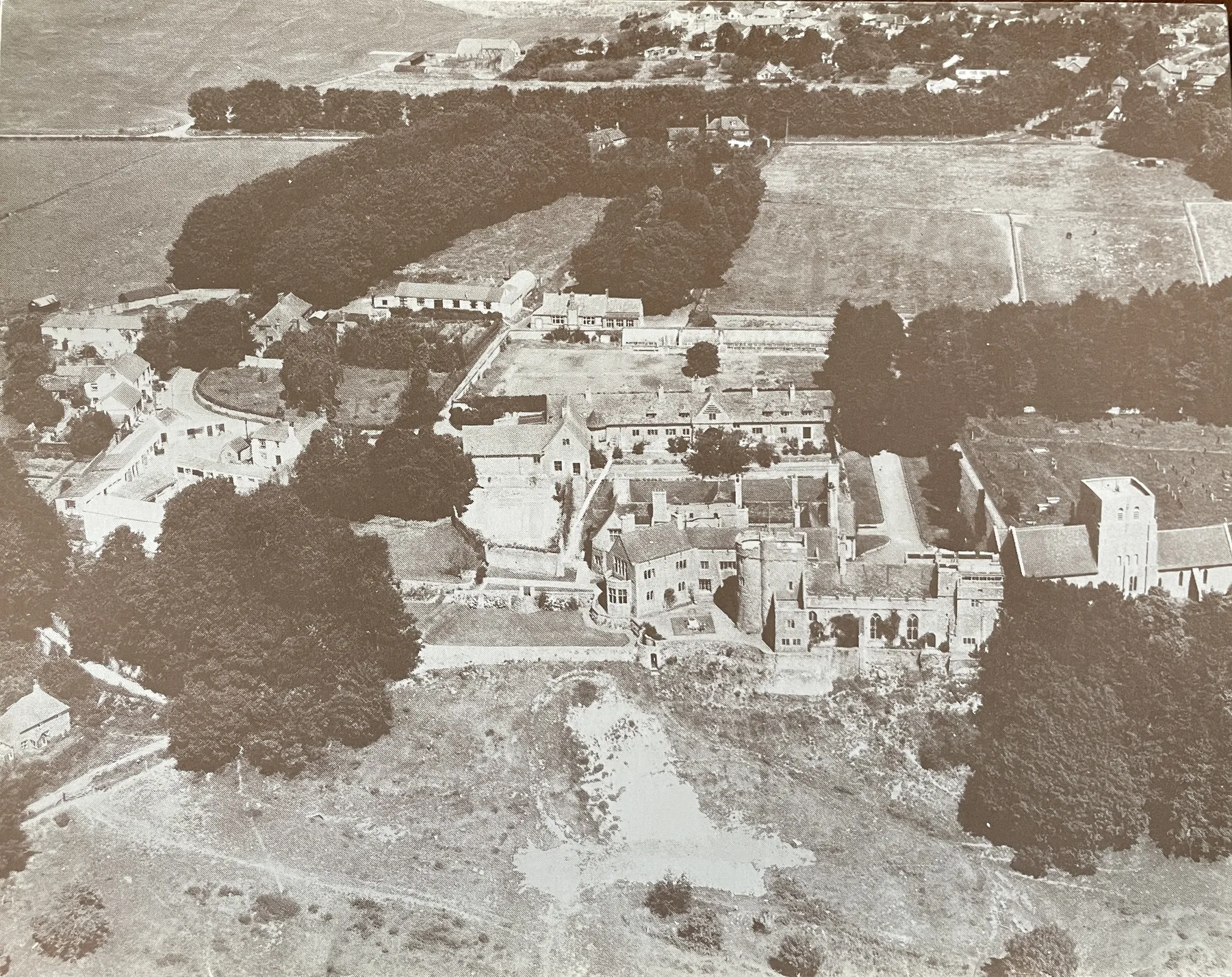
Later in the 20th century, the castle was bought by Henry Beecham, of the famous Beecham's Pills family. He added the East Wing, balancing Lorimer's West Wing and completing the castle's familiar shape.
Read more details
1939-45
A Watch on the Channel: The Second World War
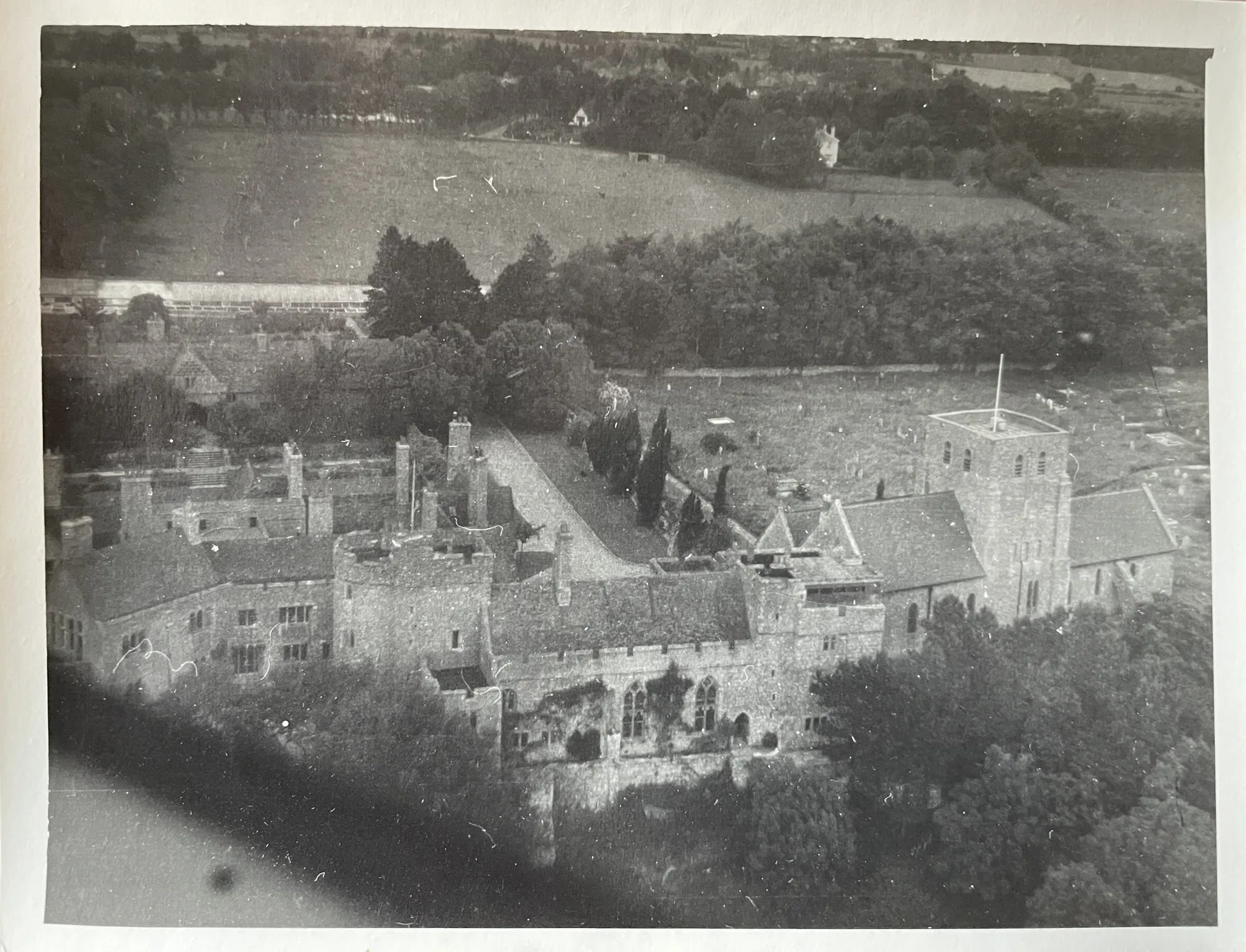
During the Second World War, the Army used the castle as an observation post. From its towers, soldiers scanned the Channel and Romney Marsh for enemy aircraft and ships, keeping watch over a coast on the front line of Britain's defence.
Read more details
1945
Picking Up the Pieces: Post-War Restoration
After the Second World War, restoration and repair work began, returning the castle to life as a home. Over the following decades, successive owners adapted it for modern living while carefully preserving its historic character.
Read more details
1978
Rock and Roll Royalty: Wings at Lympne
From 11 to 29 September 1978, Paul McCartney and Wings recorded at the castle for their final album, Back to the Egg. Songs including "We're Open Tonight" and "The Broadcast" were recorded here, and the castle's owners even lent their voices to the album. The following year, the band filmed their "Old Siam, Sir" video in the Great Hall.
Read more details
2021
A Castle on the Market: 2021
In 2021, the castle was offered for sale at around £11 million, together with some 130 acres of land. By then it was a popular venue for weddings and events, with holiday cottages on the estate, and its sale marked the start of a new chapter in its long history.
Read more details
2023
A New Chapter: The Mulhollands
In 2023, the castle was bought by Dr Ann Kaplan Mulholland and Dr Stephen Mulholland, who honoured every existing wedding booking and began refreshing the castle for the future. Today, Lympne Castle is one of England's premier countryside venues for weddings and events, where nearly 2,000 years of history provide the backdrop for your own special day.
Read more details